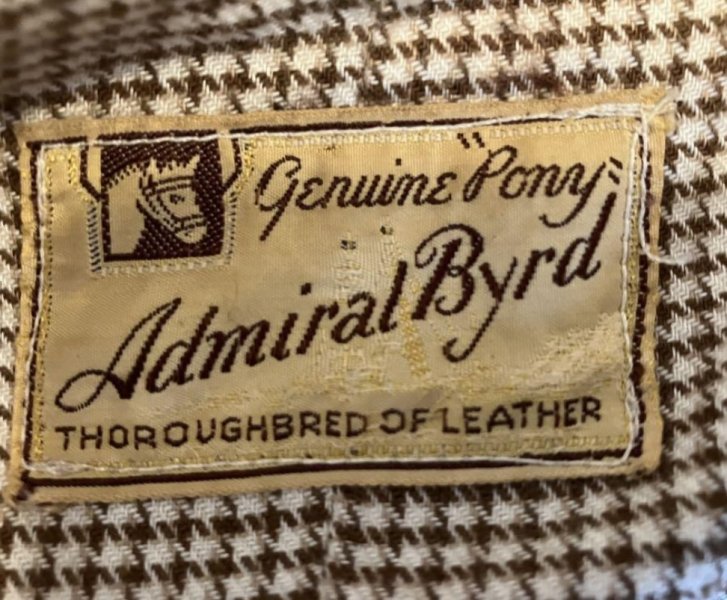
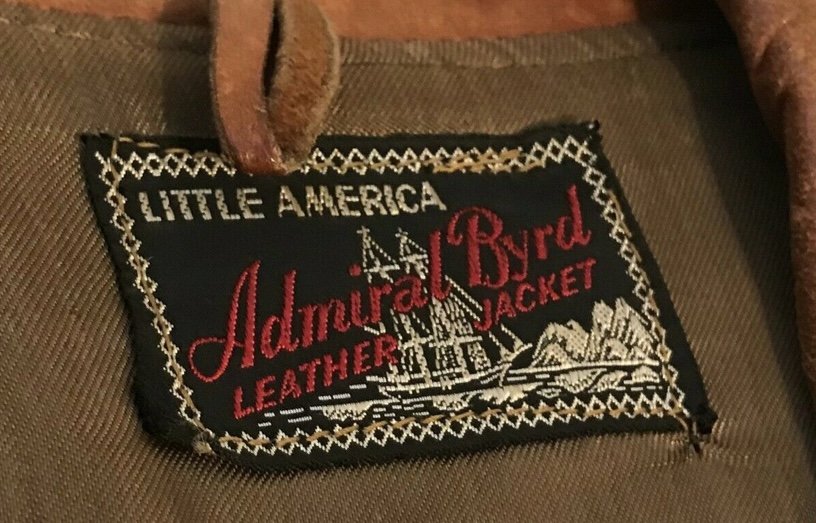
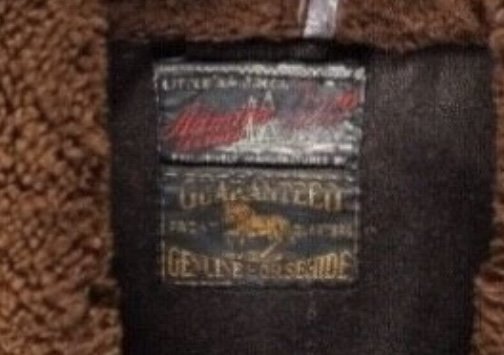
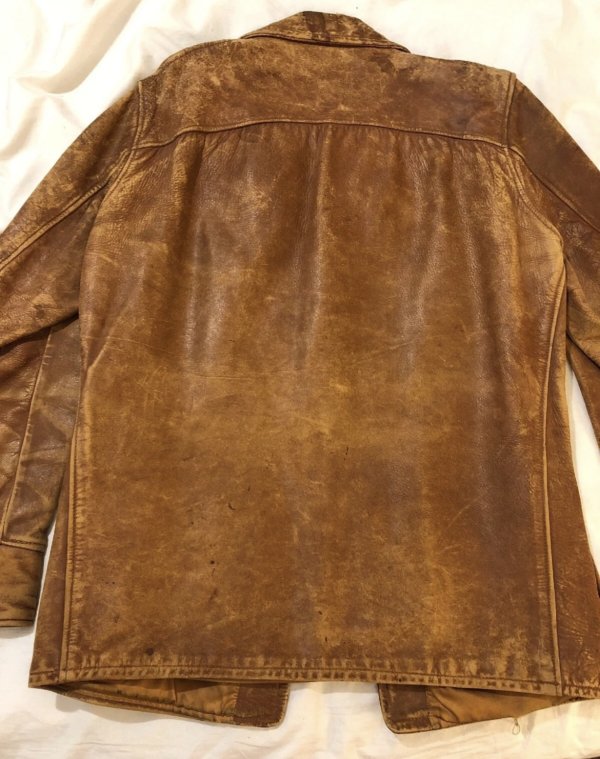
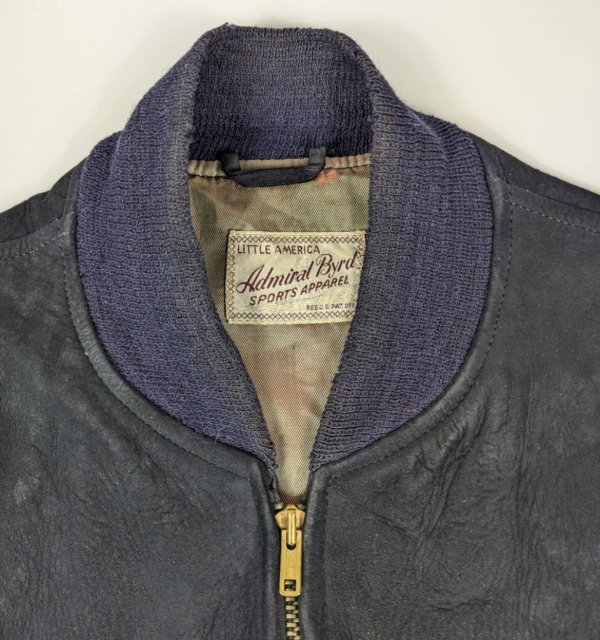
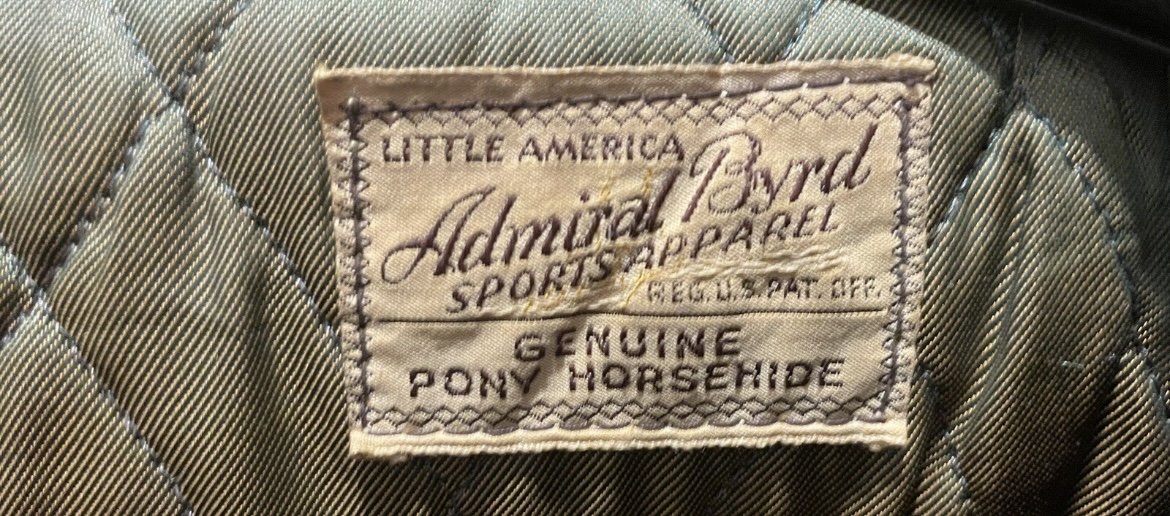
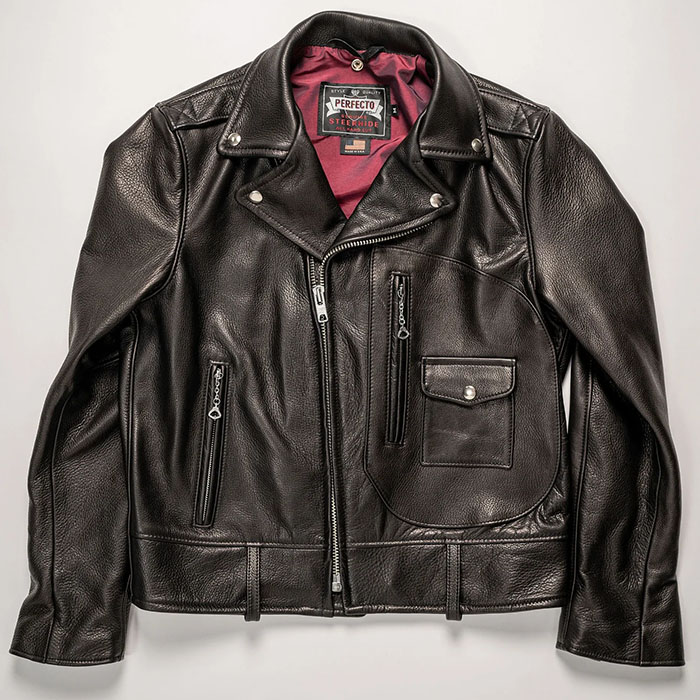
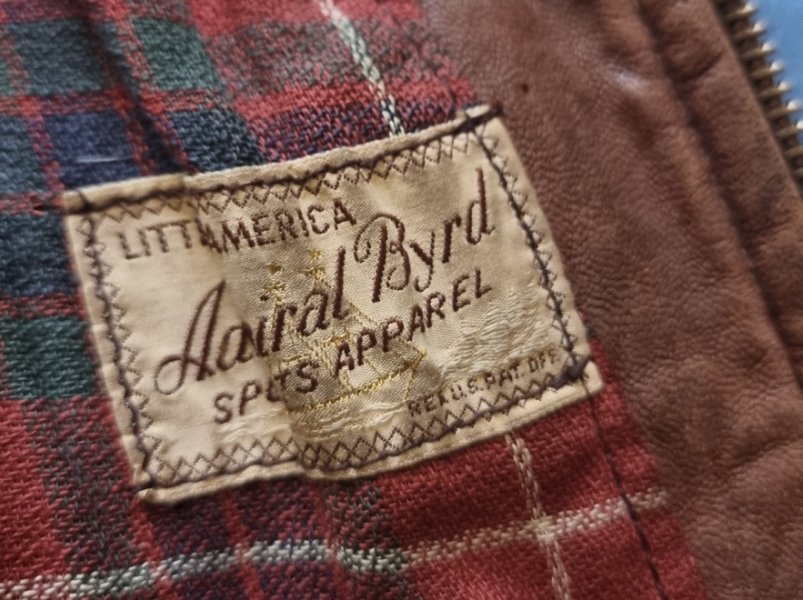
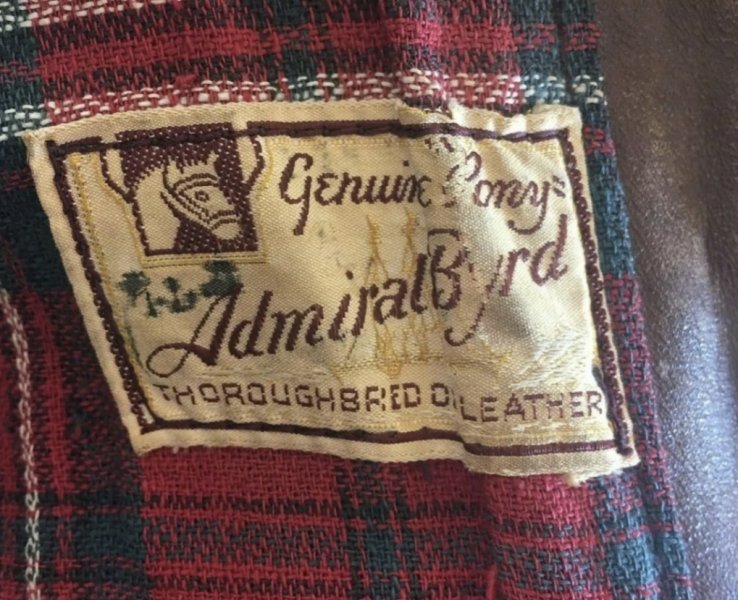
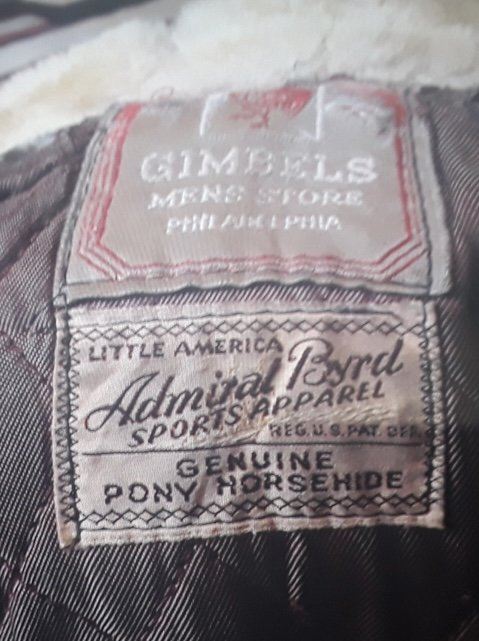
This is the thread on leather jackets from Admiral Byrd.
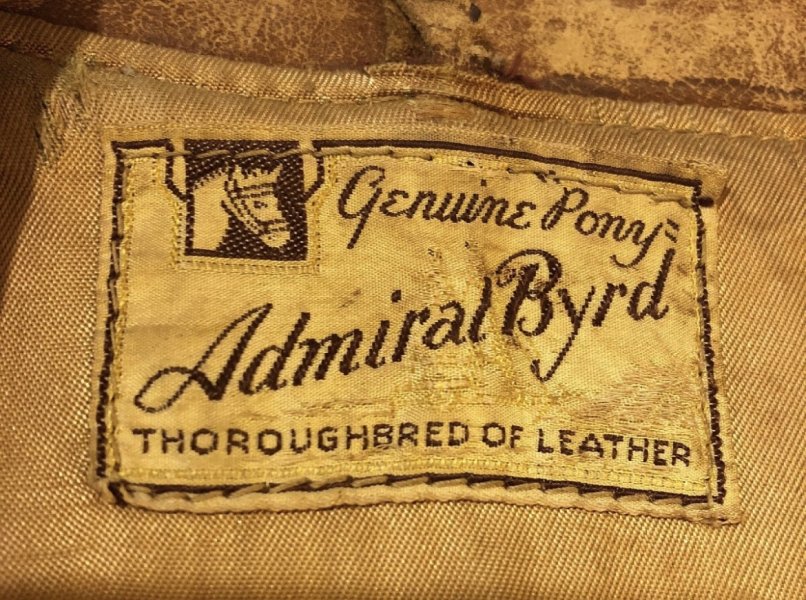
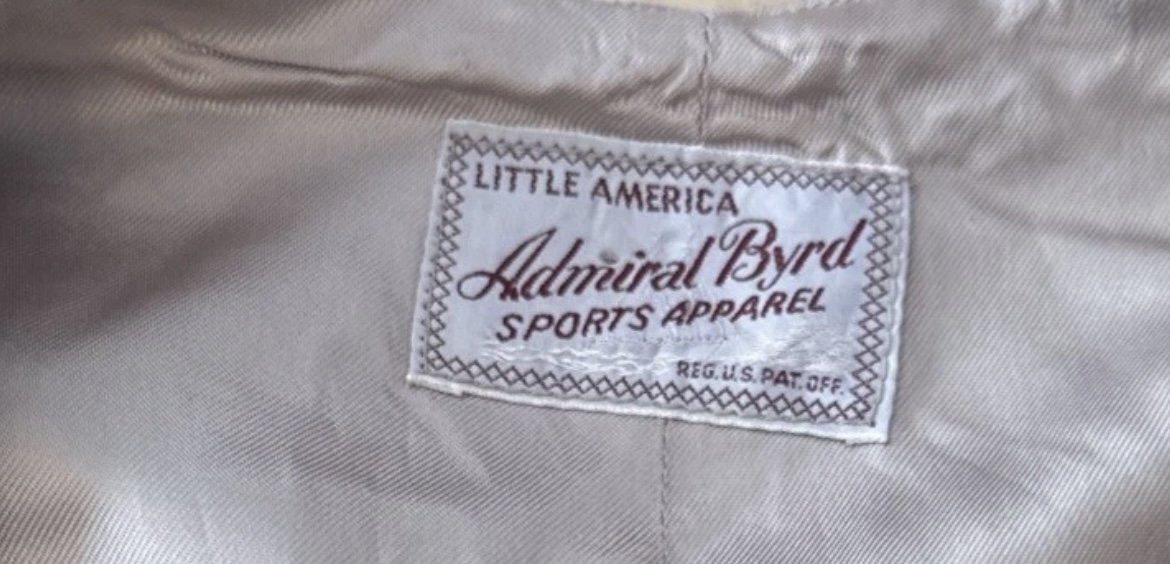
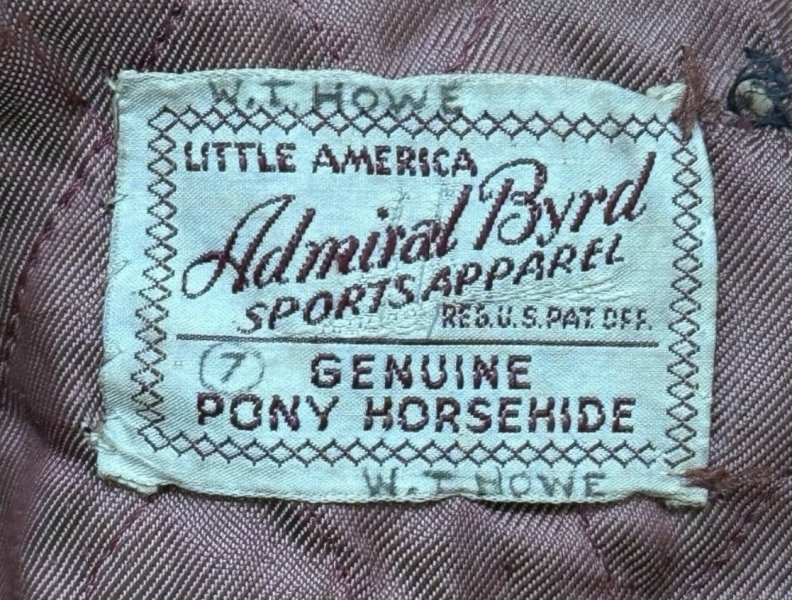
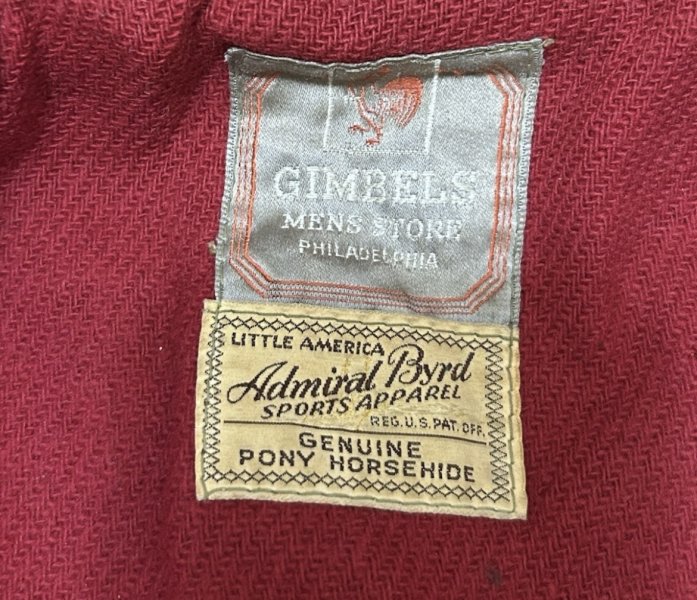
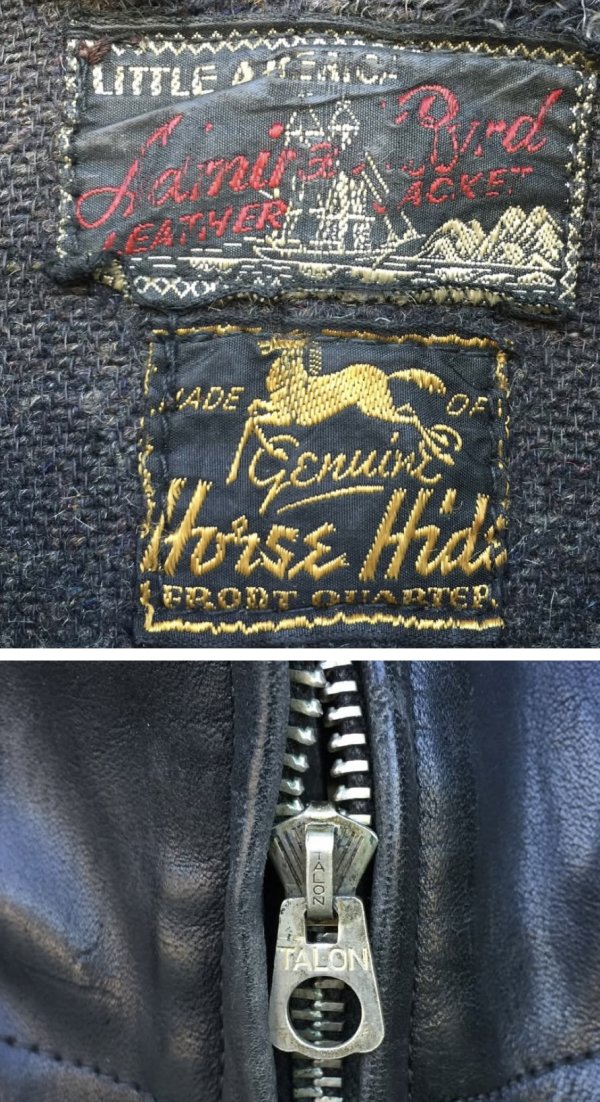
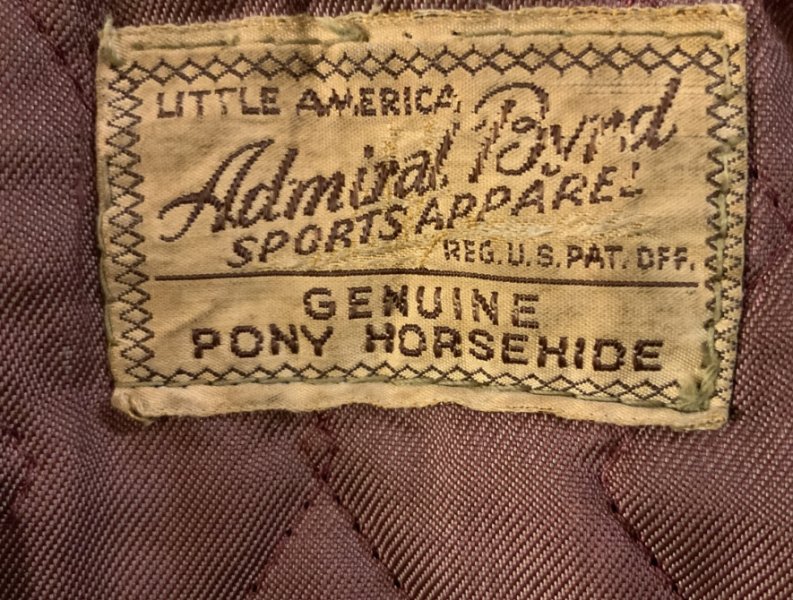
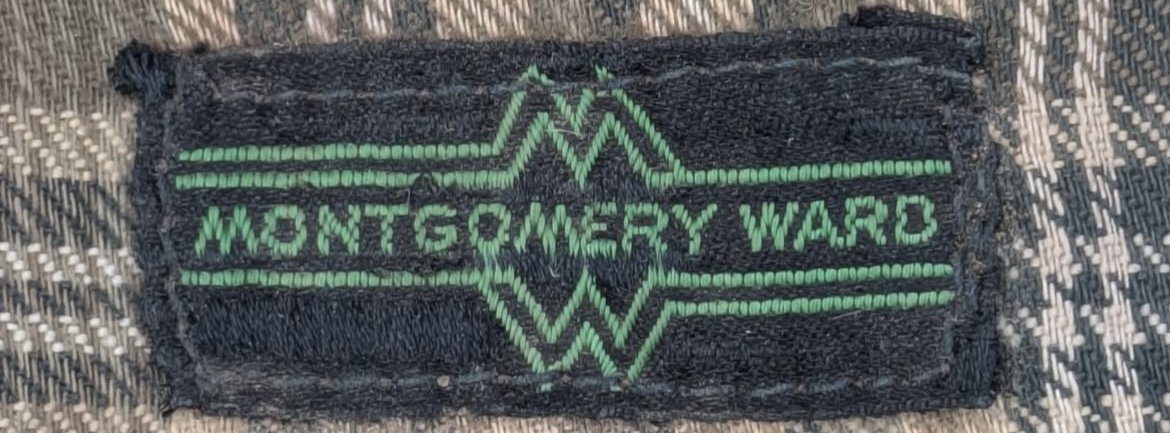
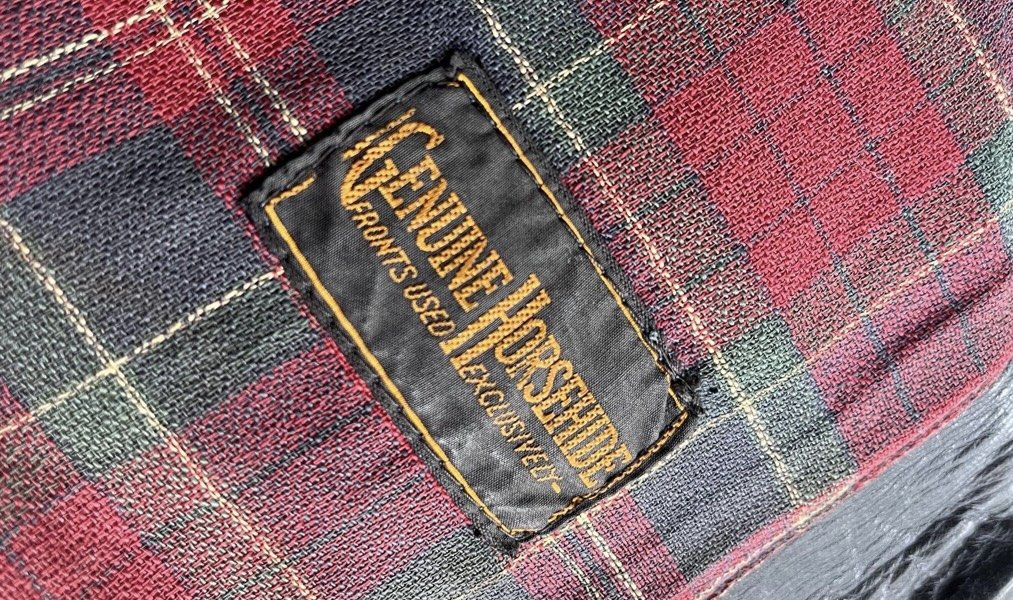
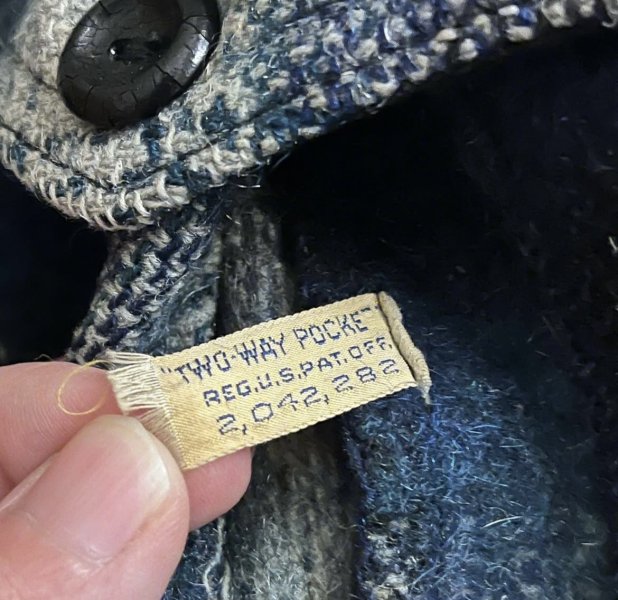
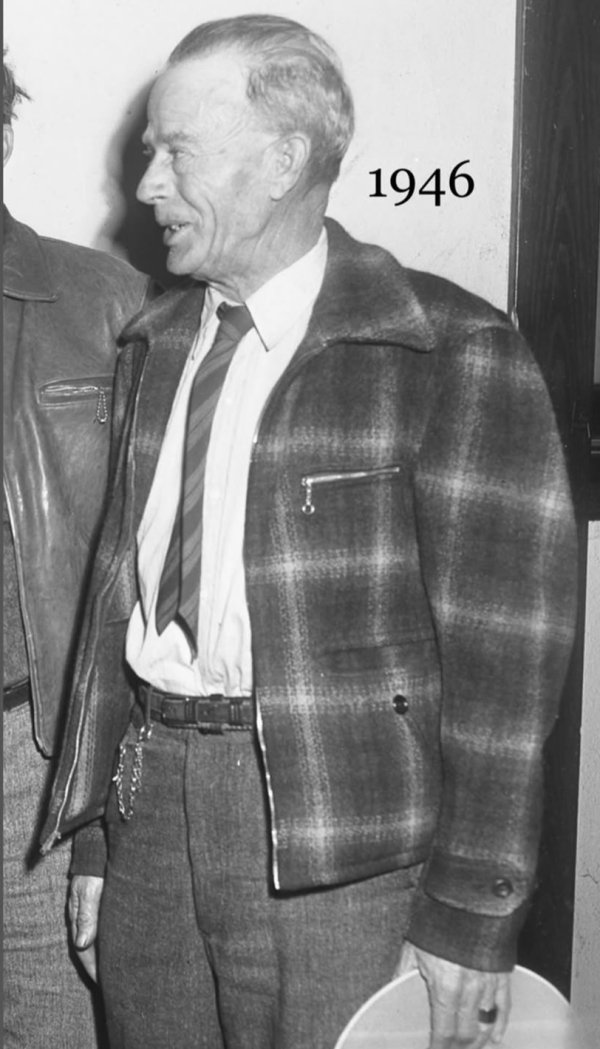
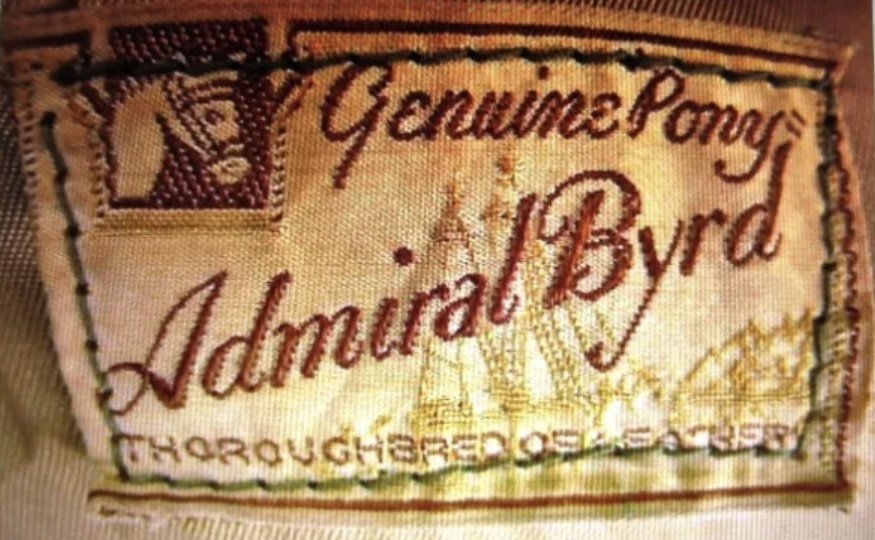
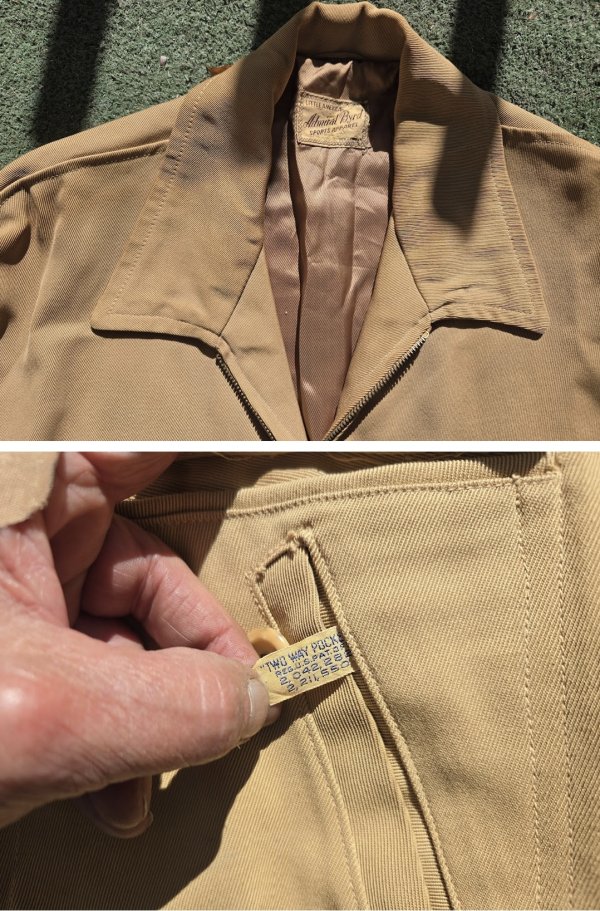
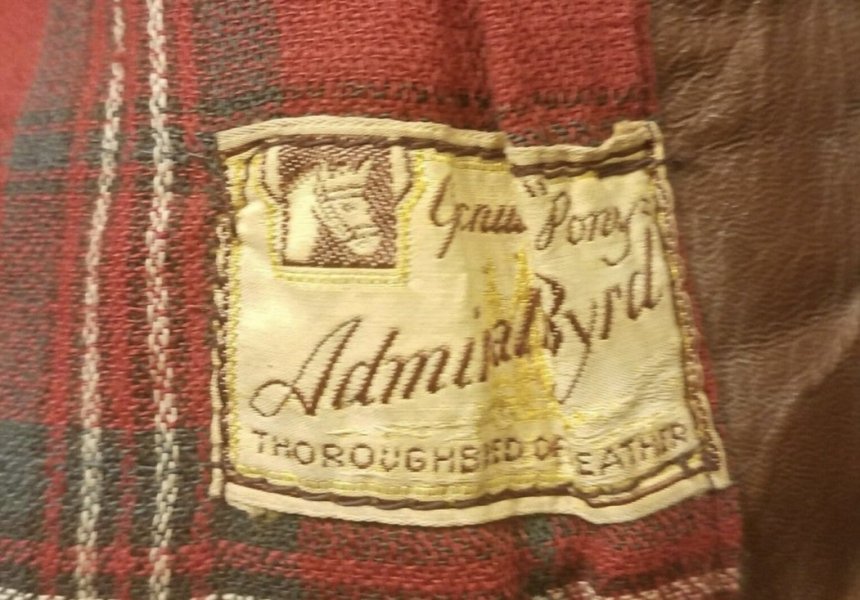
It is a highly underrated pre-war brand that was active during 1930s-1940s. It is sometimes labeled in addition to a Montgomery Ward / Windward label. I suspect that it was not a maker but sourced leather jackets from other makers and put its name on them. Known makers are Block-Bilt and Roughwear (who patented the two-way pocket).
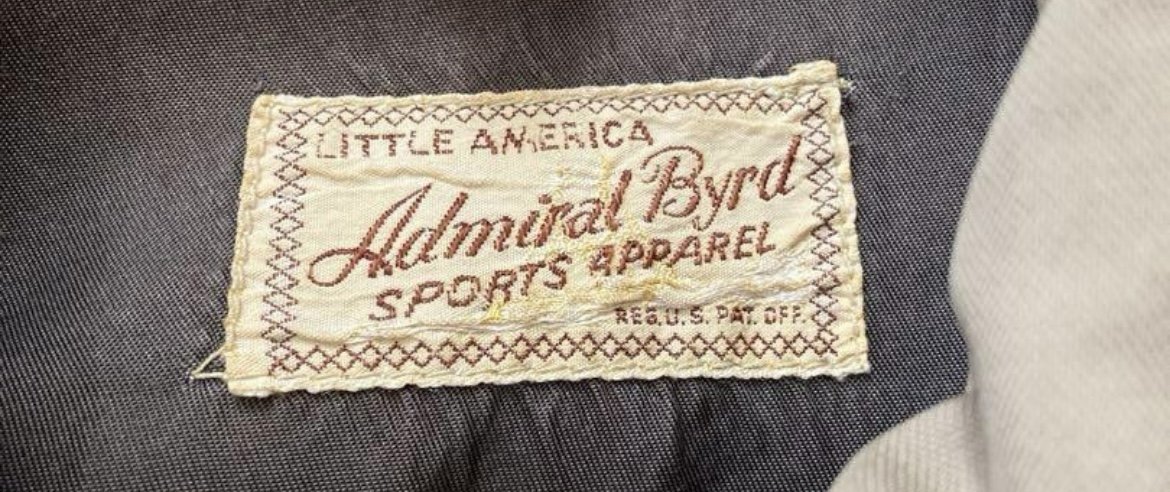
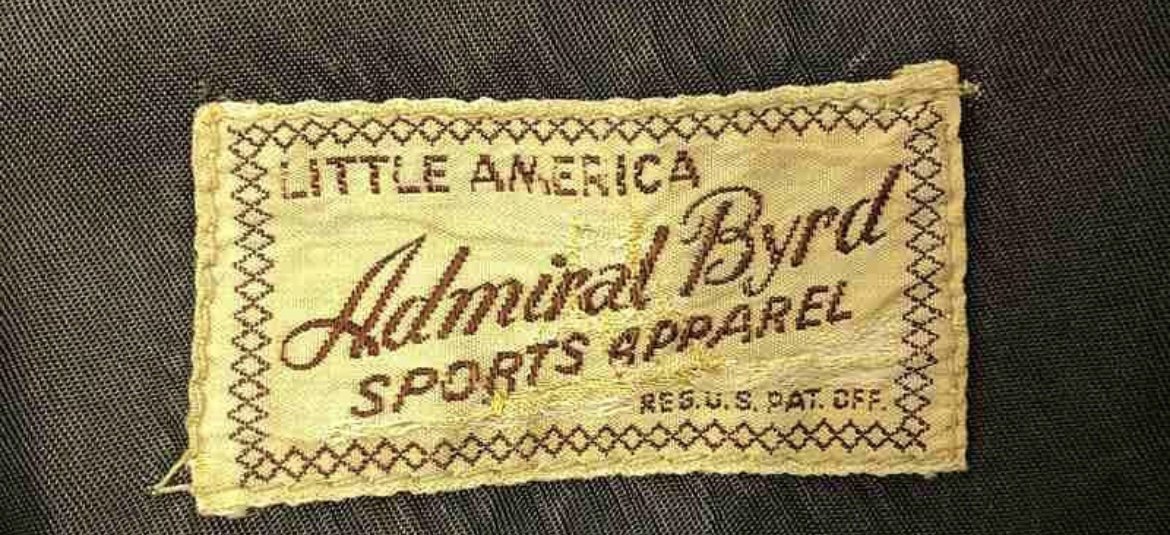
It is a clothing line named after the famous explorer Admiral Richard E. Byrd. His apex of fame was reached during his first Antarctic expedition (1928-1930). He named his base Little America and situated it on the Ross Ice Shelf, south of the Bay of Whales. Little America established the first successful radio broadcasting from Antarctica, making regular broadcasts that could be picked up by household radio sets in the United States, more than 11,000 miles away around the Earth’s curvature.
Richard Byrd in leather jacket:
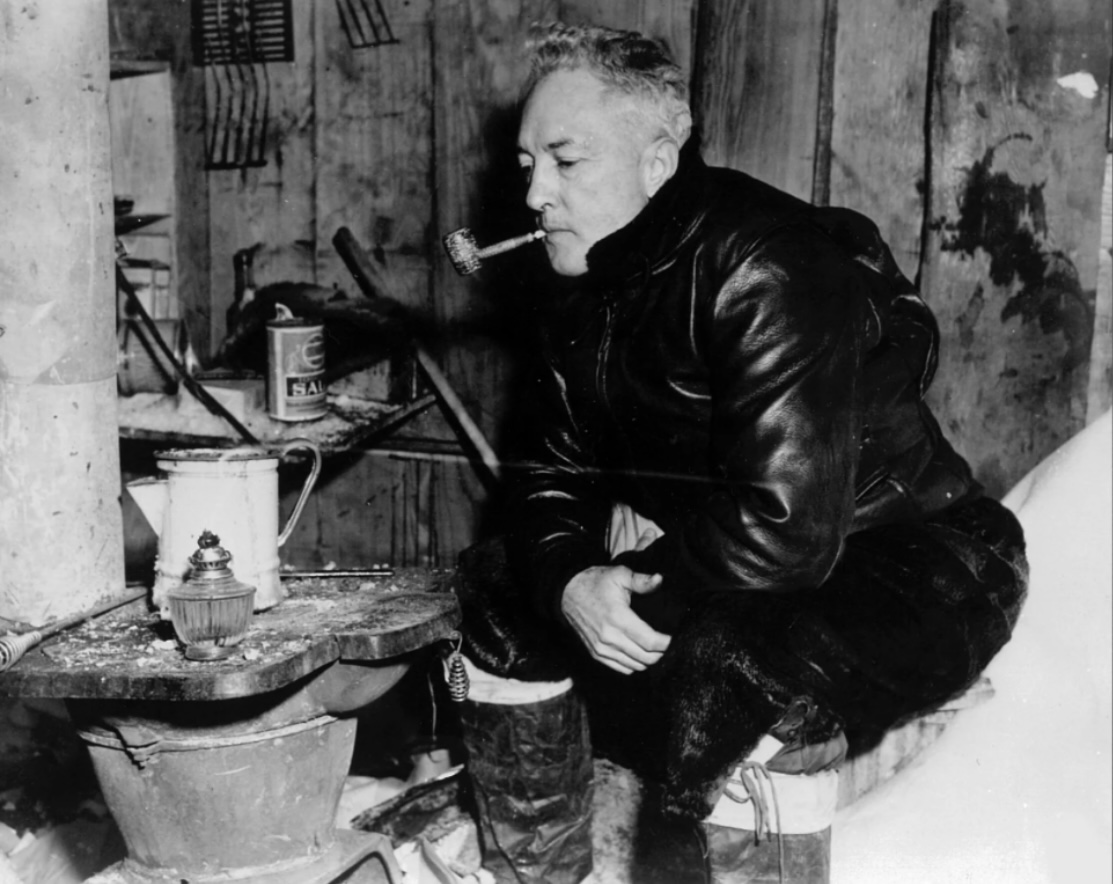
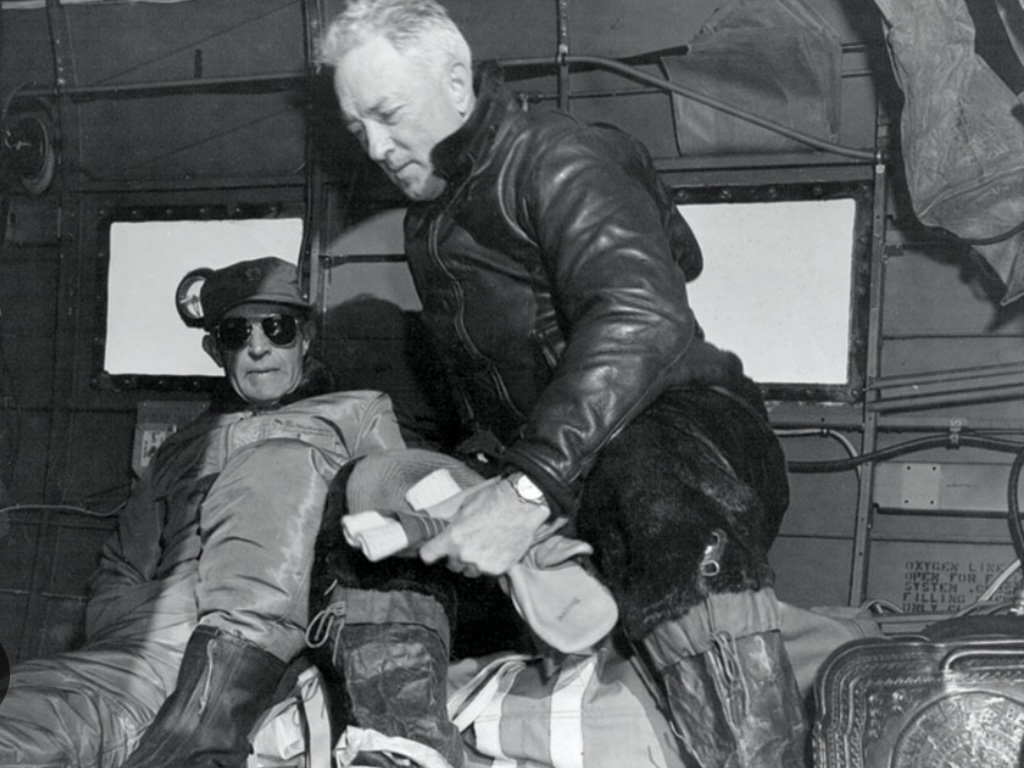
In 1934, Roughwear made the sheep-lined and leather coats and jackets for Admiral Richard Byrd’s expedition to “Little America.”
During the 1934-35 expedition, many souvenir letters were sent from Little America, using a commemorative postage stamp issued by the U.S. government. On his second expedition, in 1934, Byrd spent five winter months by himself operating a meteorlogical station, Advance Base, where he narrowly escaped with his life after suffering carbon monoxide poisoning from use of a stove with inadequate ventilation. This expedition is described by Byrd in his autobiography Alone.
A film record of Admiral Richard Byrd’s 1928 expedition to the South Pole was entitled With Byrd at the South Pole: The Story of Little America (1930). The film was shot silent but was narrated by journalist Floyd Gibbons. There was a New York Times review of the film.
By the time of Byrd’s death, he had received twenty-two citations and special commendations, nine for bravery and two for extraordinary heroism in saving the lives of others. He received the Medal of Honor, the Lifesaving Medal, the Navy Distinguished Service Medal, Distinguished Flying Cross, and the Navy Cross. The Polar Research Center at Ohio State University, Columbus, Ohio was named in honor of Admiral Byrd in 1984. Lunar crater Byrd is named after him, not to mention numerous ships, schools and libraries. Richard E. Byrd is buried at Arlington National Cemetery.
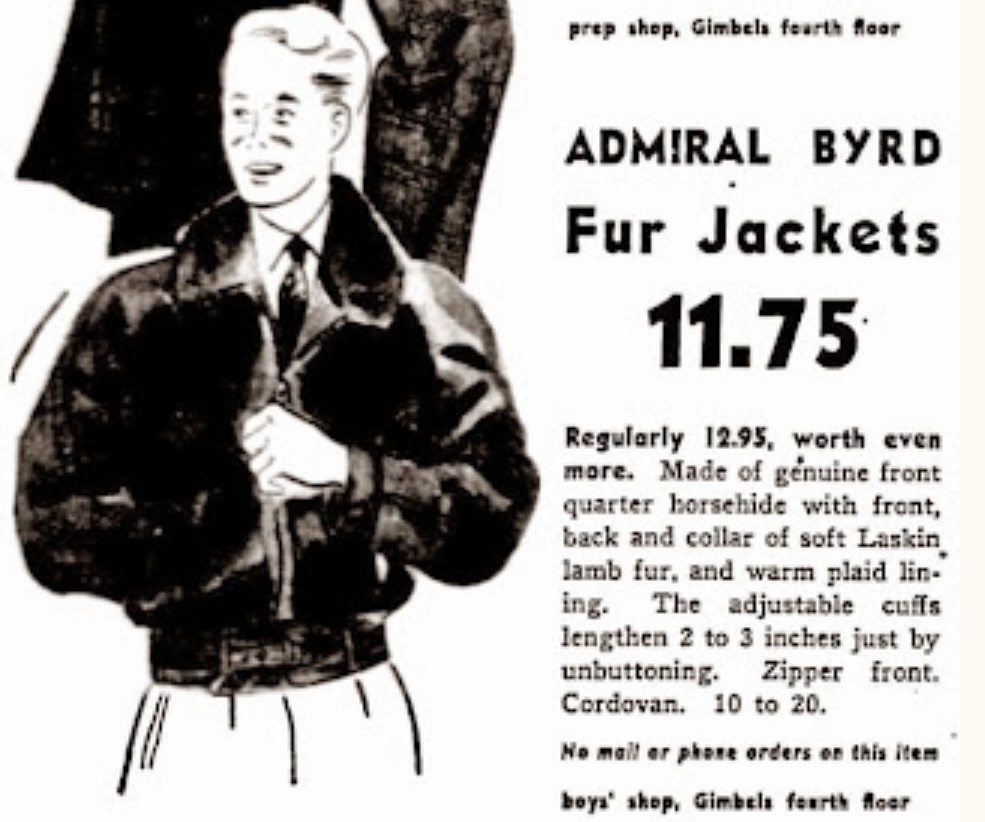
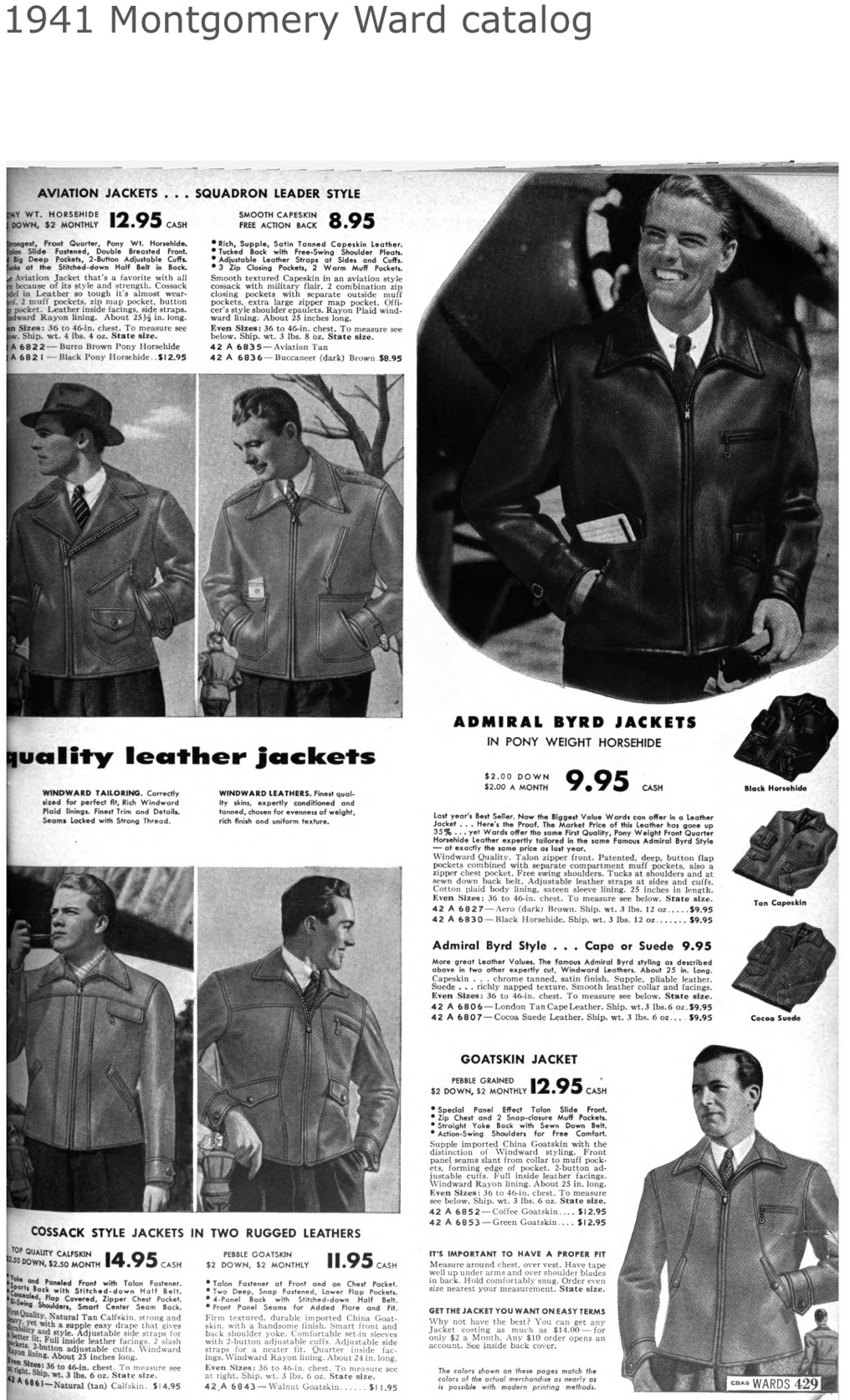
1930s:
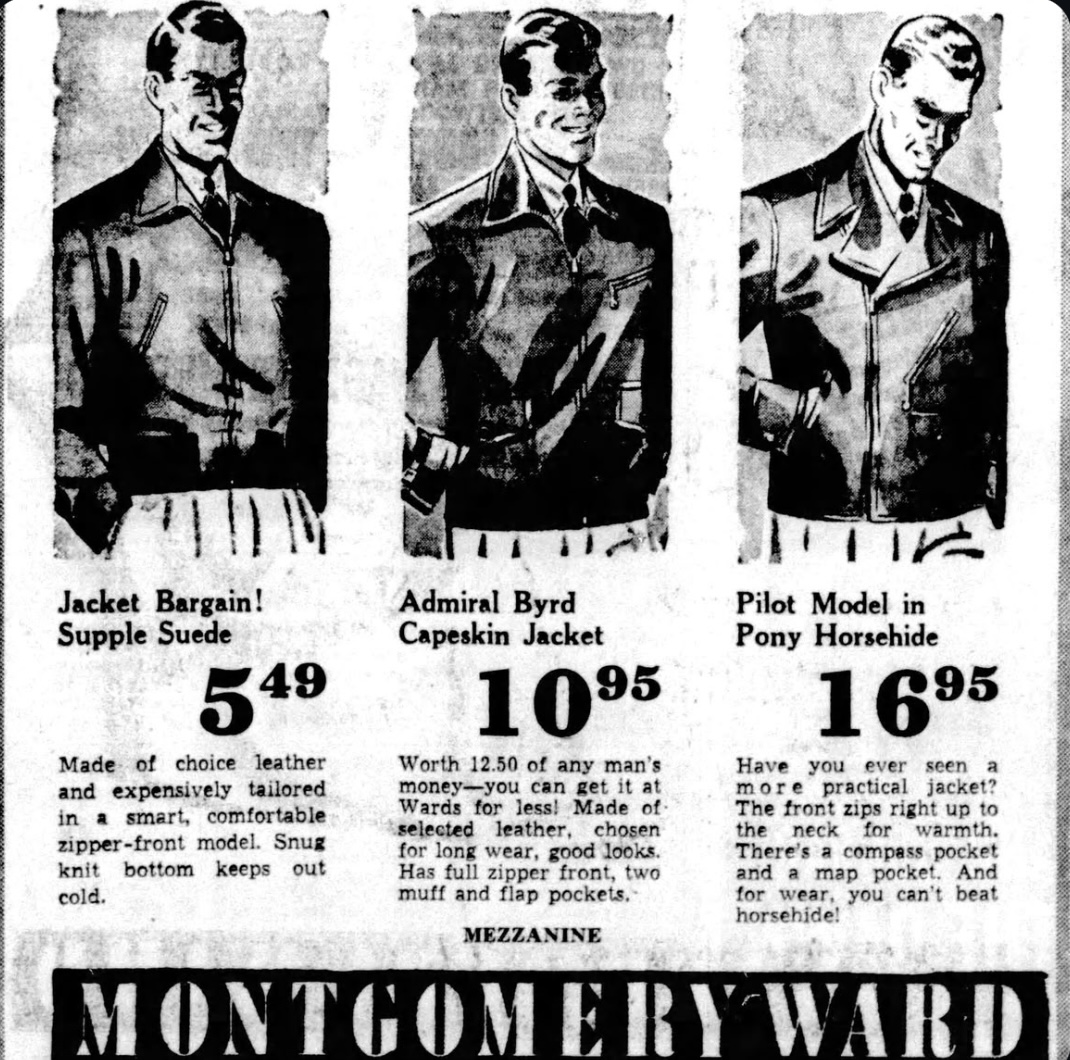
Late 1940s-1950s:
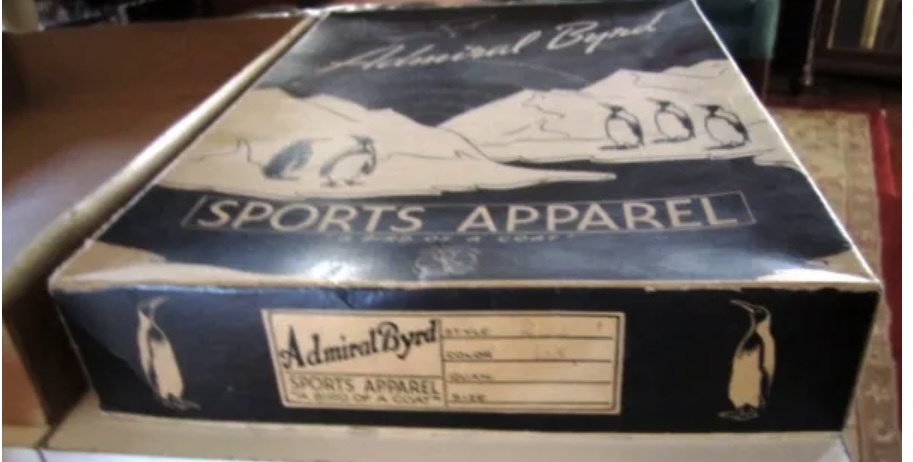
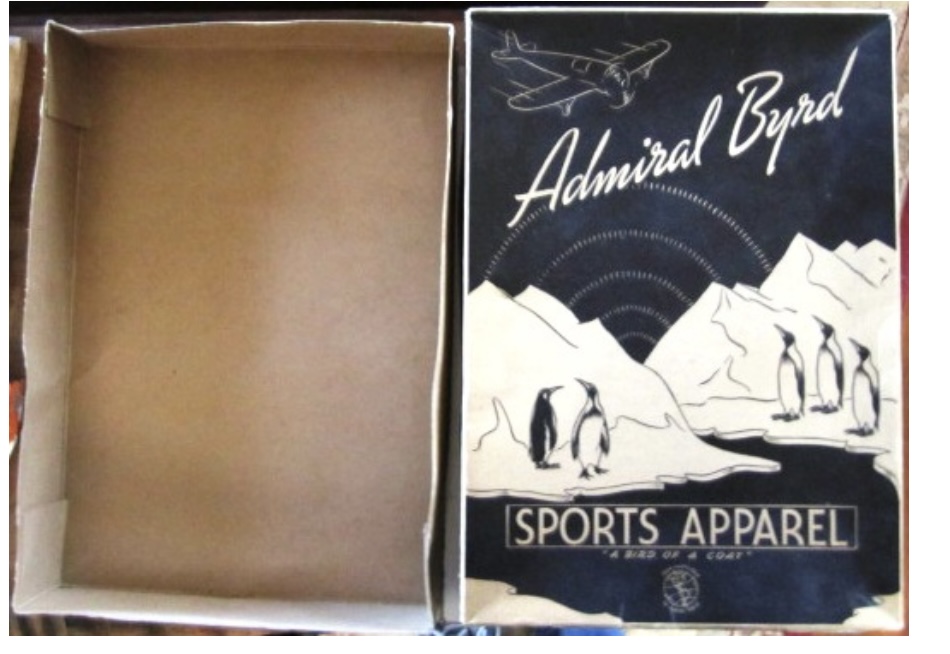
Apparel box:
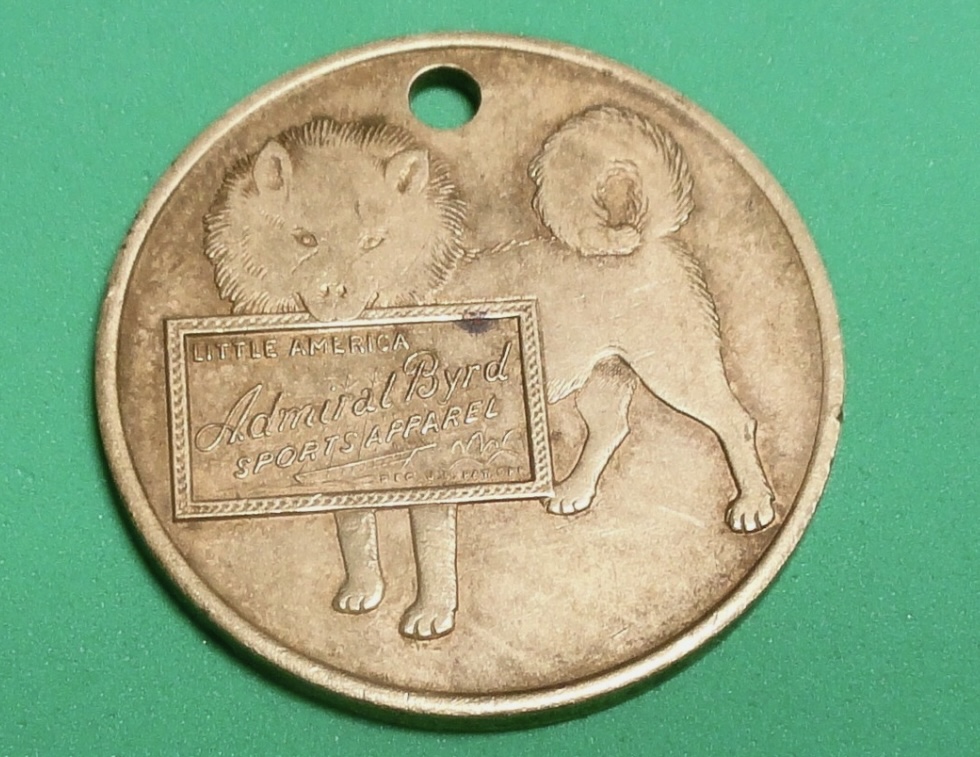
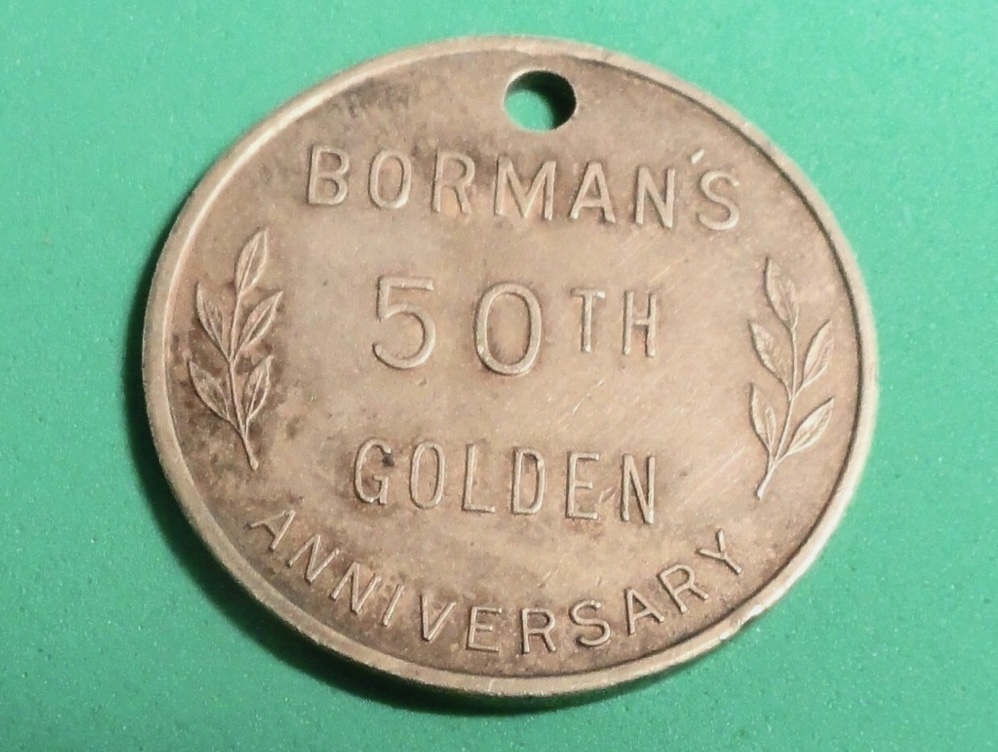
Coin:
It is a highly underrated pre-war brand that was active during 1930s-1940s. It is sometimes labeled in addition to a Montgomery Ward / Windward label. I suspect that it was not a maker but sourced leather jackets from other makers and put its name on them. Known makers are Block-Bilt and Roughwear (who patented the two-way pocket).
It is a clothing line named after the famous explorer Admiral Richard E. Byrd. His apex of fame was reached during his first Antarctic expedition (1928-1930). He named his base Little America and situated it on the Ross Ice Shelf, south of the Bay of Whales. Little America established the first successful radio broadcasting from Antarctica, making regular broadcasts that could be picked up by household radio sets in the United States, more than 11,000 miles away around the Earth’s curvature.
Richard Byrd in leather jacket:
In 1934, Roughwear made the sheep-lined and leather coats and jackets for Admiral Richard Byrd’s expedition to “Little America.”
During the 1934-35 expedition, many souvenir letters were sent from Little America, using a commemorative postage stamp issued by the U.S. government. On his second expedition, in 1934, Byrd spent five winter months by himself operating a meteorlogical station, Advance Base, where he narrowly escaped with his life after suffering carbon monoxide poisoning from use of a stove with inadequate ventilation. This expedition is described by Byrd in his autobiography Alone.
A film record of Admiral Richard Byrd’s 1928 expedition to the South Pole was entitled With Byrd at the South Pole: The Story of Little America (1930). The film was shot silent but was narrated by journalist Floyd Gibbons. There was a New York Times review of the film.
By the time of Byrd’s death, he had received twenty-two citations and special commendations, nine for bravery and two for extraordinary heroism in saving the lives of others. He received the Medal of Honor, the Lifesaving Medal, the Navy Distinguished Service Medal, Distinguished Flying Cross, and the Navy Cross. The Polar Research Center at Ohio State University, Columbus, Ohio was named in honor of Admiral Byrd in 1984. Lunar crater Byrd is named after him, not to mention numerous ships, schools and libraries. Richard E. Byrd is buried at Arlington National Cemetery.
1930s:
Late 1940s-1950s:
Apparel box:
Coin:
Last edited: