Want to buy or sell something? Check the classifieds
  • The Fedora Lounge is supported in part by commission earning affiliate links sitewide. Please support us by using them. You may learn more here.

How Do I Recondition This A2?

Kevin Rohrer

New in Town
Messages
11
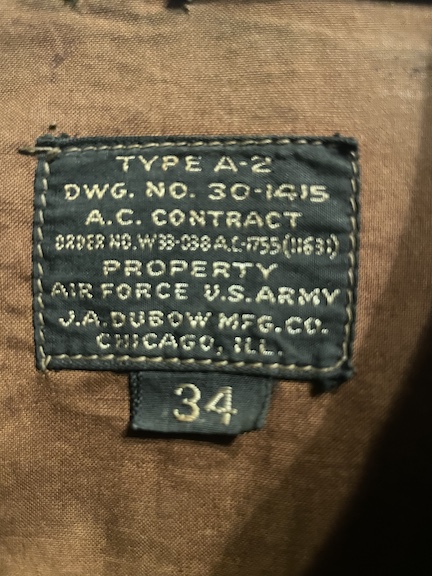
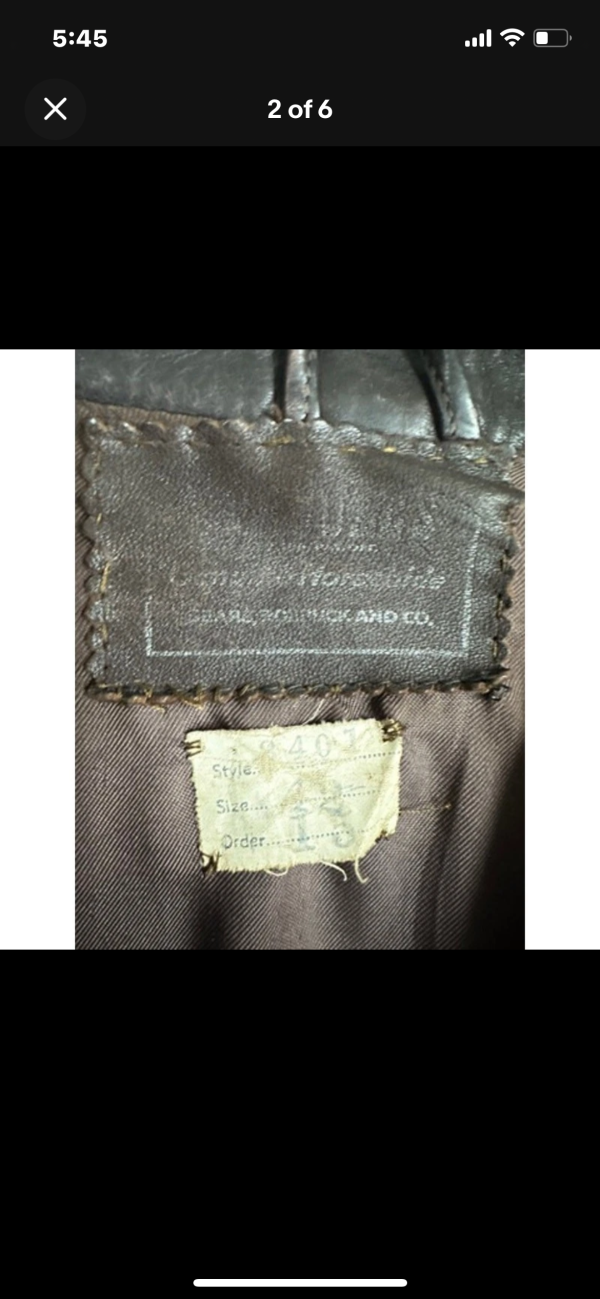
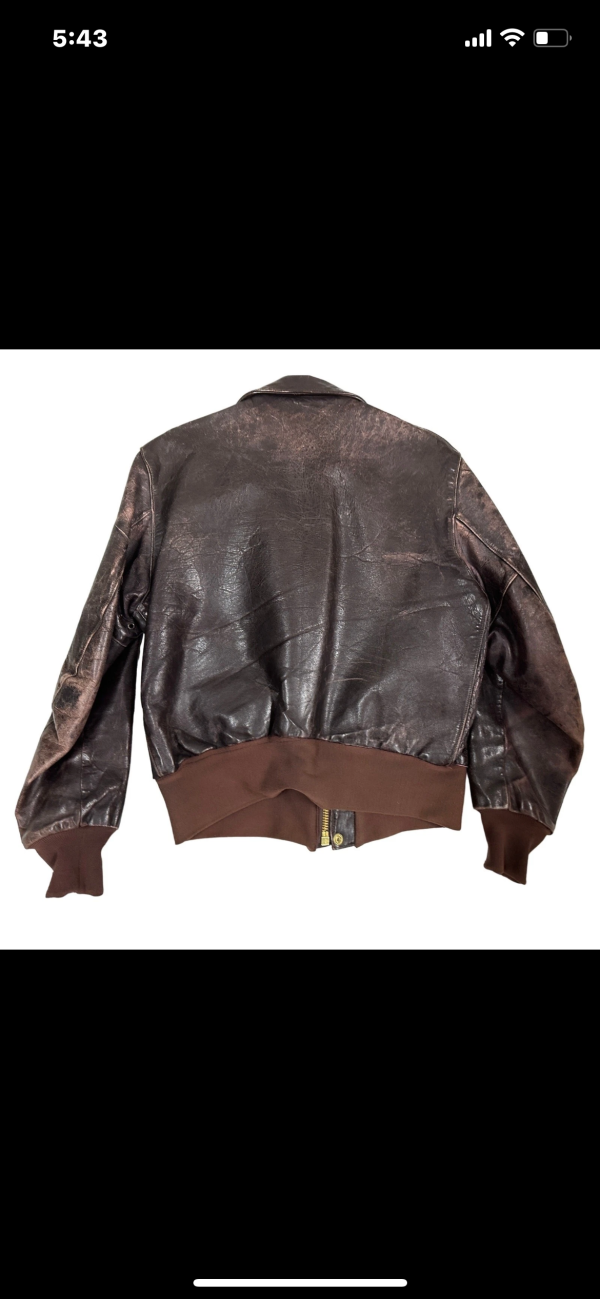
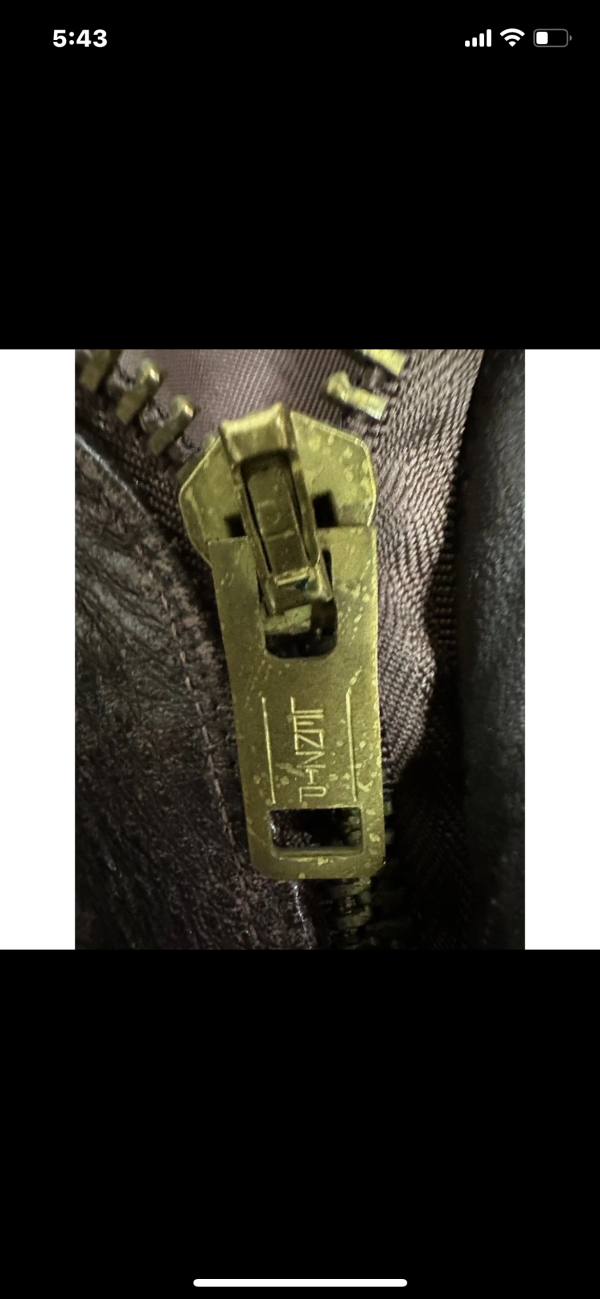
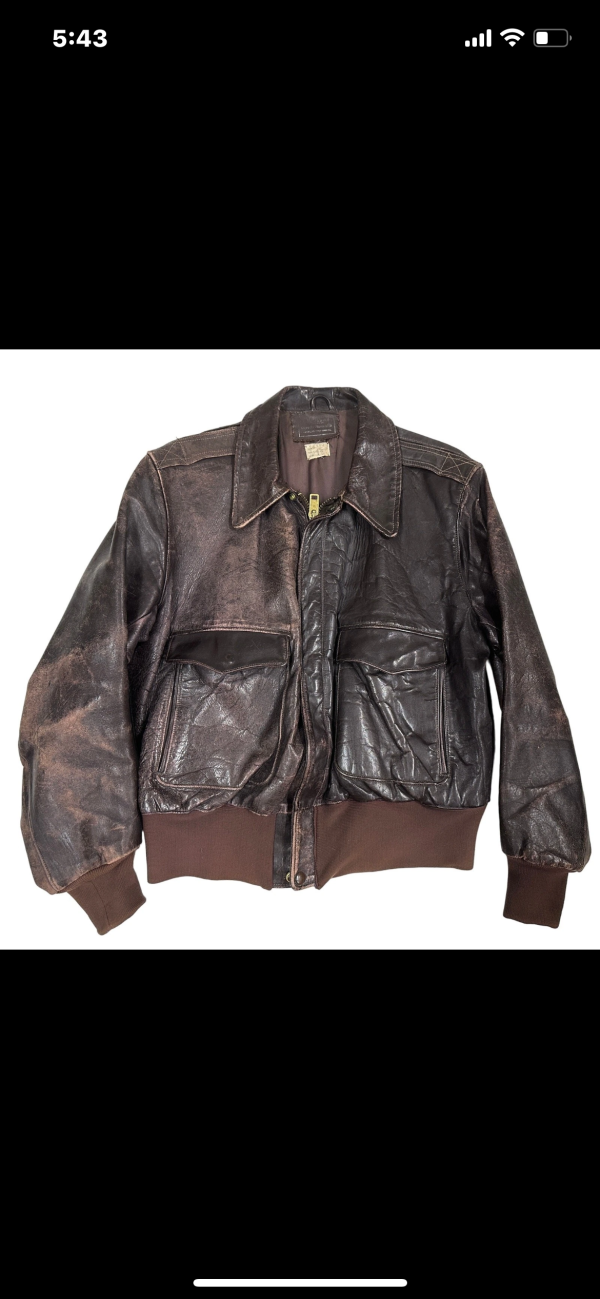
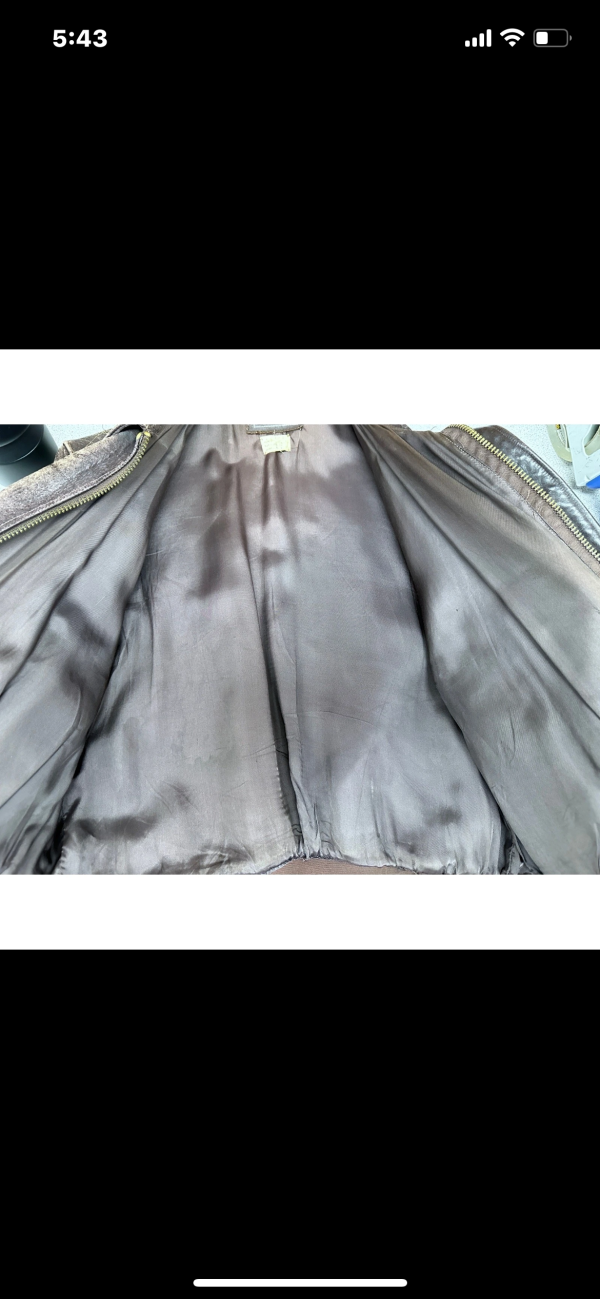
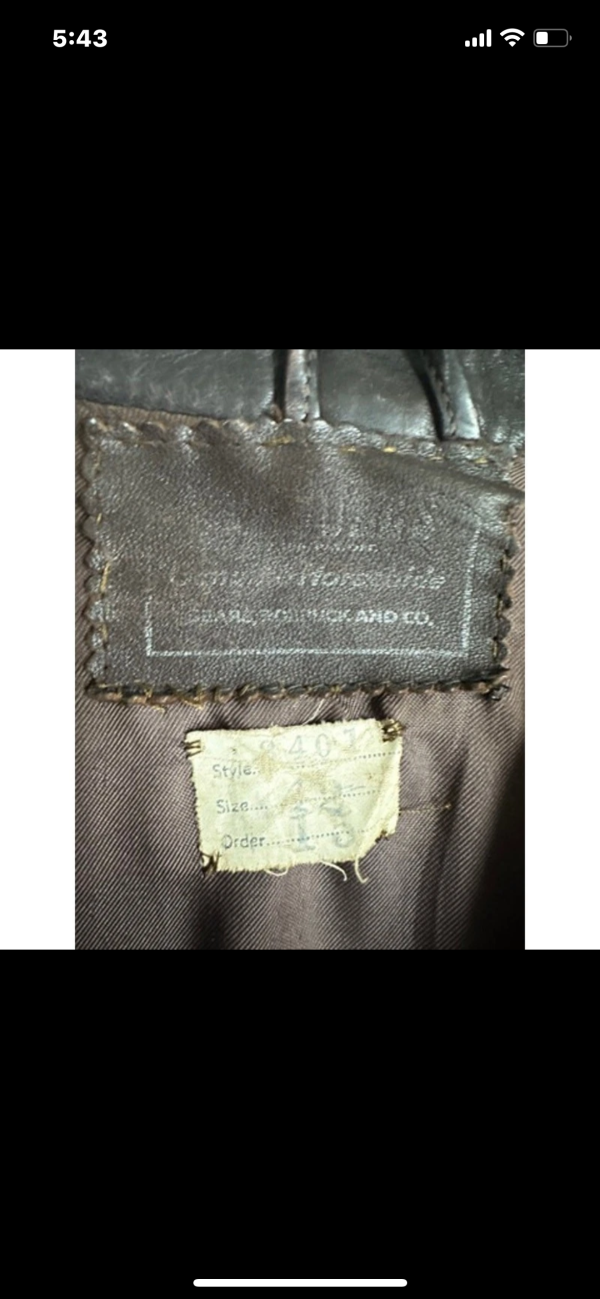
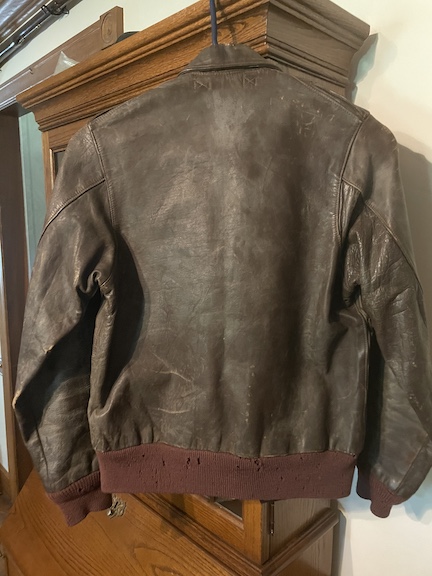
I am cleaning out my parents' house and found dad's WW2 A2. It has his name on it and the holes where he squadron patch used to be (I have that, also). The leather is very dry but not cracked.

Am asking how I should go about reconditioning it. I already own Leatherique and Blackstone, and am wondering if I should use the an oil or a grease. Thanks.
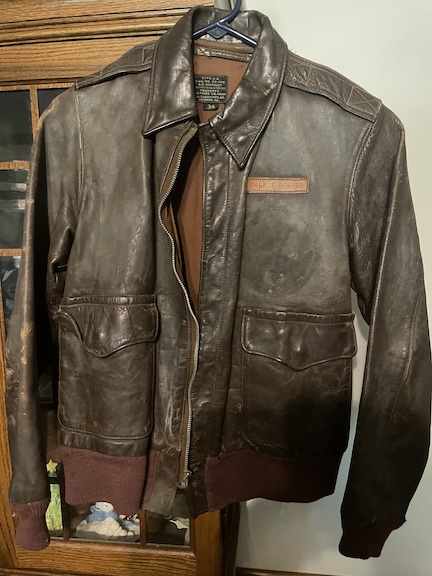
Front.jpeg
Back.jpeg

Label.jpeg
 
Last edited:

Peacoat

Bartender
Messages
7,074
Location
South of Nashville
What a treasure. I have never used Leatherique or Blackstone, but I have used a bunch of others. Pecard is readily available and has done a good job for me. Try that and see how it goes. It will probably take the dryness out of it and make it supple again. May need to reapply in a year or so. Once they get dry, they sometimes tend to dry out again fairly quickly.
 

AeroFan_07

I'll Lock Up
Messages
7,072
Location
Iowa
Wow! Sure hope you are able to keep onto this, what a treasure indeed.

*Go Very slowly* with conditioning this jacket. It's dry and honestly something like Urad Tenderly or Horseman's one-step, both of which are mostly moisture, may be a good first step for this jacket. Take it carefully, a few thin coats better than one thick one.
 
Last edited:

jchance

Call Me a Cab
Messages
2,203
Location
LA
I am cleaning out my parents' house and found dad's WW2 A2. It has his name on it and the holes where he squadron patch used to be (I have that, also). The leather is very dry but not cracked.

Am asking how I should go about reconditioning it. I already own Leatherique and Blackstone, and am wondering if I should use the an oil or a grease. Thanks.
View attachment 718972 View attachment 718973
View attachment 718974

You can use what you have on hand, but you’d need to wipe it down with a damp cloth first. Then wait 8-24 hours for it to dry before applying Leatherique.

People get intense about which conditioner to use, but generally any non-silicone conditioner is fine to use because silicone blocks pores that leather needs to breathe. Vegetable oil becomes rancid and smelly after a while, so people avoid that too.
 

Kevin Rohrer

New in Town
Messages
11
You can use what you have on hand, but you’d need to wipe it down with a damp cloth first. Then wait 8-24 hours for it to dry before applying Leatherique.

People get intense about which conditioner to use, but generally any non-silicone conditioner is fine to use because silicone blocks pores that leather needs to breathe. Vegetable oil becomes rancid and smelly after a while, so people avoid that too.
I did as you suggested and a fair amount of surface dirt came-up. It does not look dirty now, but do you think a leather cleaner would be useful, or just start conditioning it?

I am guessing it has not been worn since the late 1940s.
 

jchance

Call Me a Cab
Messages
2,203
Location
LA
I did as you suggested and a fair amount of surface dirt came-up. It does not look dirty now, but do you think a leather cleaner would be useful, or just start conditioning it?

I am guessing it has not been worn since the late 1940s.

I tend to stay away from leather cleaner or saddle soap unless it’s absolutely necessary. That’s because they are damaging to the leather by stripping off natural oils. If you have to use it, do it at targeted areas only.

I recently cleaned and conditioned a 1950s leather jacket that the lining has been worn off and torn off. It looked so dirty and felt like it had never been conditioned. I was tempted to use a washing machine given its condition, but I’m glad I didn’t. I only wipe it down with a damp cloth without any saddle soap 2x, then applied 2x coats of conditioner (petroleum jelly and beeswax) and 2x more layers at targeted dry, overused areas over several days. It’s softer and more wearable now.
 
Last edited:

Yango

One of the Regulars
Messages
260
Pecard’s leather conditioner/cleaner works very well. I really like their products.

They also have a product for antique leather restoration.
IMG_5739.png


IMG_5738.png
 

photo2u

Call Me a Cab
Messages
2,866
Location
claremont california
Beautiful treasure that needs to be properly taken care of. First, no hate to pecards. Pecards is mainly a water proofer and will damage the cotton thread. I will never use again.


If I would, you would do the following:
1. Gently brush the jacket using a horse hairbrush. I personally use my shoe shine brushes to condition and clean my jackets.
2. After the light brush, using a bright light or and under the sunlight, closely inspect the hide. Use a very damp cotton cloth and lightly remove any ***k on the hide.
3. After a close inspection and brushing, give the jacket another brush using the horse hairbrush.
4. Using the tip of your finger, lightly apply beef tallow to the whole jacket. Let it sit for a day, and proceed to additional tallow applications.
5. When satisfied with the absorption of beef tallow, brush it again and enjoy
I have used this method with all of my jackets. I have constantly try other methods, but I have not found one that is better. This method was successfully used by a master tanner with more than 50 years of experience in the industry.

There is a page in which this topic has been cover and is information worth reviewing.
Good luck with your project. If you have doubts about anything regarding the jacket, please post, I will give you my honest opinion.
 
Last edited:

Yango

One of the Regulars
Messages
260
I would not use tallow on anything. But everyone has a different opinion.

The majority of leather dressings are based on tallow or neatsfoot oil. Tallow, even kidney fat, contains salts which build up with repeated dressing and attack the leather fibres. Neatsfoot oil compounds, long recognized for damage to sewing, also weaken and blacken the leather. Both these animal fats provide a culture for the growth of bacteria and fungus, and turn rancid, resulting in further attack on the leather. The more liquid formulations also evaporate quickly, leaving the leather dry and open to rapid deterioration by oxidation and mechanical break down.
 

photo2u

Call Me a Cab
Messages
2,866
Location
claremont california
I would not use tallow on anything. But everyone has a different opinion.

The majority of leather dressings are based on tallow or neatsfoot oil. Tallow, even kidney fat, contains salts which build up with repeated dressing and attack the leather fibres. Neatsfoot oil compounds, long recognized for damage to sewing, also weaken and blacken the leather. Both these animal fats provide a culture for the growth of bacteria and fungus, and turn rancid, resulting in further attack on the leather. The more liquid formulations also evaporate quickly, leaving the leather dry and open to rapid deterioration by oxidation and mechanical break down.
I can understand your view, but with all due respect, where did you read or see this information? I am giving feedback based on real people working in the leather industry. My friend in Leon, Guanajuato has been using tallow for GENERATIONS. So his many associates who all live and work in the leather industry. He does not sell any products or sponsors any particular brands. Tallow was used in the Arab countries, and later the Romans used it. The moors improved on it and was taken to Spain.
All the fungus and rancid view has been disproven by professionals in the industry. Such is, one of the premium jacket producers acknowledge the benefits of tallow in leather conditioners. I have been using tallow since the seventies with no problems whatsoever. I truly do not know your experience with leather conditioners, but my 40+ years of proven benefits of using such product is something I can recommend. I think it is important to inform people the negative points of using pecards. There is plenty of testimony about the dangers of using pecards in leather.
If you read pecards advertisement, they list their product as a leather dresser. According to their website advertisement, pecards cleans? Conditions leather and waterproof leather. I have used pecards and it does not clean leather. It does make the leather more pliable and waterproof. However, the chemical composition of the product rottens natural fibers such as cotton thread. Cotton 16/3 was the principal thread used in A-2. I take vaseline over pecards any day of the week. I believe is basically the something as pecards minus small ingredients added by pecards to justify the price.

At any rate, the most vulnerable part in this A-2 is the thread. In the conditioning process, if pecards is used, it will DRASTICALLY shorter the life span of those of cotton fibers.

Last post for me. Riding to Ensenada for the weekend to help out my Buddy with a new pair of sails for his blue water boat.
 
Last edited:

tapado power

New in Town
Messages
17
I would not use tallow on anything. But everyone has a different opinion.

The majority of leather dressings are based on tallow or neatsfoot oil. Tallow, even kidney fat, contains salts which build up with repeated dressing and attack the leather fibres. Neatsfoot oil compounds, long recognized for damage to sewing, also weaken and blacken the leather. Both these animal fats provide a culture for the growth of bacteria and fungus, and turn rancid, resulting in further attack on the leather. The more liquid formulations also evaporate quickly, leaving the leather dry and open to rapid deterioration by oxidation and mechanical break down.
I would. Specially on a top of the line cowboy cut steak (prime rib bone in). I remember those at a very expensive Vegas steak house.
But back to the subject. Tallow is the top choice for conditioning. Pecards is just a glorified baseline. I know one of the best American Maker uses baseline to condition old leather. Harley-Davidson does sell a pecard product, But we all known HD do not make leathers. I wonder what Vansons recommends for their leathers? Lastly, I hope the OP shares his result with what ever product he will use to restore that nice piece of history. I am old school and in occasions I did use bee wax only to protect the leather from the winter rains.
 

Attachments

  • Cowboy-Steak-2024-2.jpg
    803.2 KB · Views: 64

Kevin Rohrer

New in Town
Messages
11
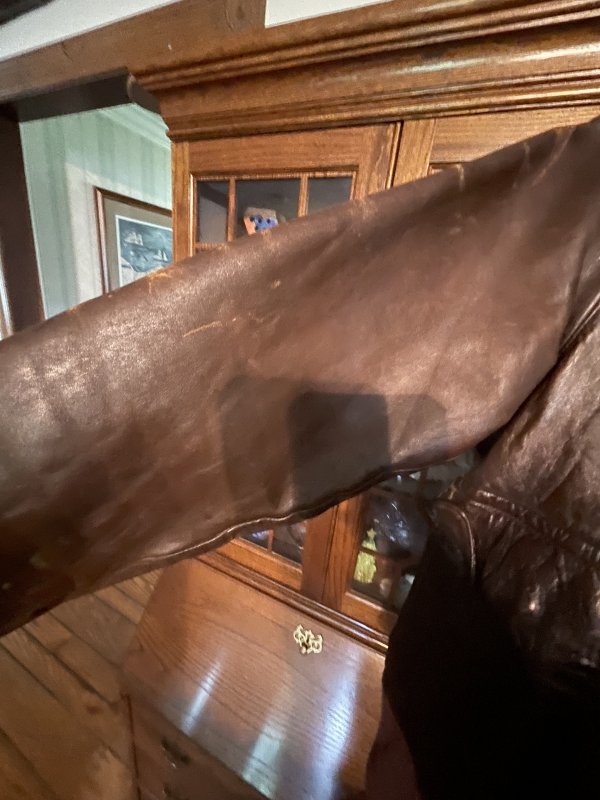
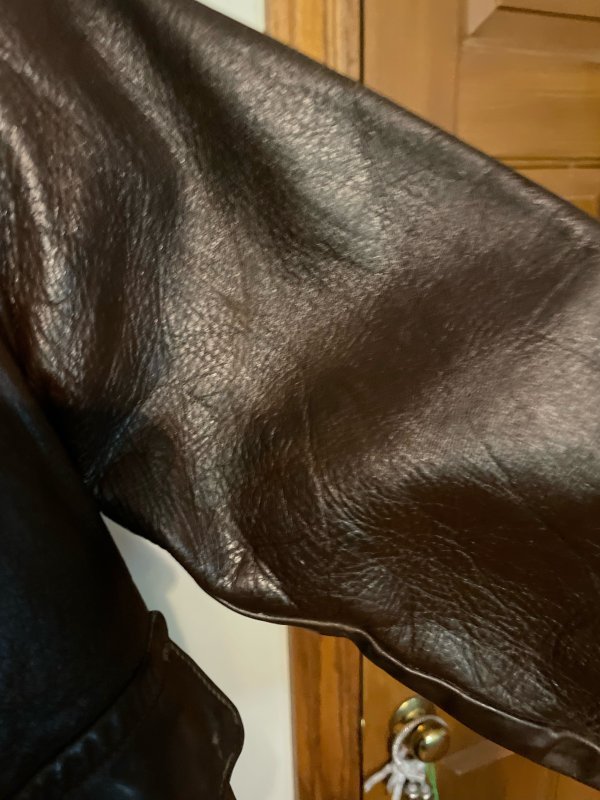
I ran an experiment last night. I used Leatherique on the right sleeve and Blackrock on the left. After 20-hours, here is what I saw. The right is a bit softer but the appearance has not changed. The left is now soft, a bit darker, and the grain has reappeared. That sleeve looks new to me. I am doing the rest of the jacket in Blackrock.

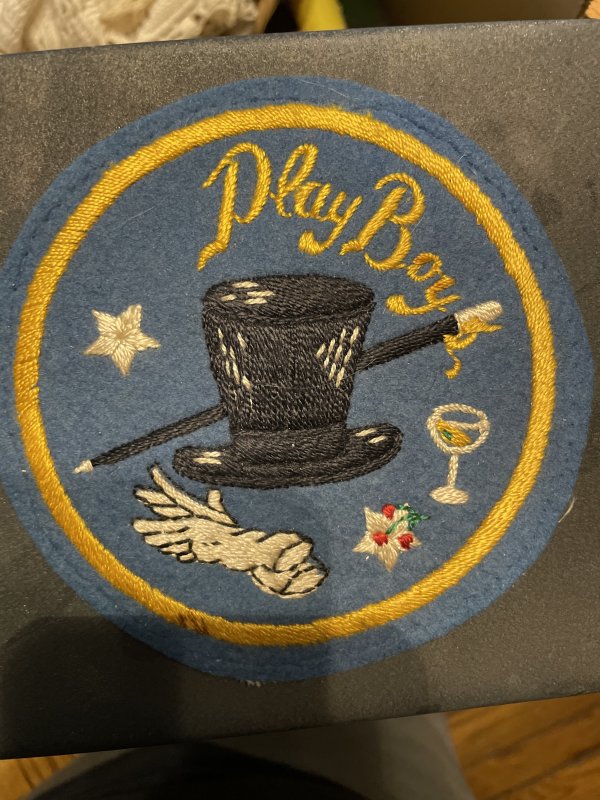
And here is the squadron patch that was originally on the jacket. He was with the 867th Bomb Squadron, 494th Heavy Bombardment Group (B24J), 7th Air Force in the Pacific, 1944-46.
 

Attachments

  • RightSleeve.jpeg
    RightSleeve.jpeg
    3.3 MB · Views: 84
  • LeftSleeve.jpeg
    LeftSleeve.jpeg
    3.2 MB · Views: 91
  • 867thBmbSqd.jpeg
    867thBmbSqd.jpeg
    4.2 MB · Views: 83
Last edited:

DogFacePonySoldier

One of the Regulars
Messages
164
First off holy cow this forum is amazing.

I wanted to ask for feedback on this supposedly 50’s A2 Hercules jacket and if it’s at a good value to purchase or if I’m getting sold some wolf tickets.

And of course how to restore it, if it indeed is and I hit this from typing a trove of info!

Btw that is a crazy beautiful jacket with an awesome history!


https://ebay.us/m/Dg5wPh
 

Attachments

  • IMG_3906.png
    IMG_3906.png
    2.2 MB · Views: 68
  • IMG_3903.png
    IMG_3903.png
    1.6 MB · Views: 62
  • IMG_3902.png
    IMG_3902.png
    2.1 MB · Views: 53
  • IMG_3900.png
    IMG_3900.png
    2 MB · Views: 71
  • IMG_3904.png
    IMG_3904.png
    2.2 MB · Views: 63
  • IMG_3901.png
    IMG_3901.png
    2.2 MB · Views: 55

raf

One of the Regulars
Messages
238
Back to OP. Late to the party, but a gentle cleaning of the jacket is wise prior to instilling any preservative or conditioner. Turn the sleeves inside out and inspect for mildew. You might wish to turn the entire jacket, sleeves and all, inside-out and expose all the innards to direct sunlight and wind to reduce any mildew/smell.

You have already chosen your reconditioner but allow me to say that I have been using Pecards for decades with no issues. The trick, as mentioned above, it to apply it sparingly, with multiple applications being better than a single one. Give the conditioning agent some time to soak into the leather before re-evaluating additional application(s). Buff-off the leather conditioner with a soft cloth.

Waistband/cuffs may need remediation in order to prevent them from getting worse. Make every effort to use the correct color thread and begin with the small defects before moving on to large ones. Find YouTube vids on darning and watch a few.

Replacement of waist band and/or cuffs should be done by a professional. Closely inspect the zipper for problems, and if necessary, have same Pro replace it with an identical item. On an Original like this, color and weave pattern of the woolen items matters as does the maker/color/pattern/material of the zipper.

Obviously, a family heirloom, so priceless to you. To another person, an Original Dubow in a "fairly" common size, would fetch a pretty penny.

Tough call about re-attaching the patch vice preserving the Original. A possibility would be to buy a reproduction patch and attach it, while tossing the original patch into a sealed baggie, and labeling it as to the named source (your father) and his service dates. vintage leatherjackets.org can probably advise if/where a repro patch can be had, as well as supplying info on Pros who can replace waistband/cuffs, and/or zipper.

See this related thread: https://www.vintageleatherjackets.org/threads/knit-sourcing.40467/

@Kevin Rohrer
 
Last edited:

Camel24hrs

Familiar Face
Messages
83
From the curators that maintain A2s in museums I have read to not use anything with fat or animal products in it as it will cause damage to the cotton threads.
But to each their own.
From my point of view less is more when it comes to old leather. I have used Pecards for years with no bad side effects. But I use it sparingly. I know guys that pull out a jacket a throw stuff on their jackets a lot.
 

Forum statistics

Threads
114,447
Messages
3,174,776
Members
58,286
Latest member
kaanchkaglass
Top